The Complete Mixology Equipment Guide: From Basic Bar Tools to Professional Gear
Whether you're just starting your mixology journey or looking to upgrade your home bar to professional standards, having the right equipment makes all the difference. The proper tools not only make cocktail-making easier and more enjoyable but also improve the quality and consistency of your drinks.
This comprehensive guide walks you through every essential piece of mixology equipment, from the basic necessities every home bartender needs to the advanced professional tools that elevate your craft to the next level. We'll cover what each tool does, why you need it, how to choose quality pieces, and when to invest in upgrades.
Essential Equipment for Beginners
If you're new to mixology, start with these fundamental tools. This basic kit will allow you to make 90% of classic cocktails and build your skills before investing in specialized equipment.
1. Cocktail Shaker
Why You Need It: The shaker is the most iconic and essential piece of bar equipment. It chills, dilutes, and aerates cocktails while mixing ingredients that don't naturally combine (like citrus juice and spirits).
Types of Shakers:
Boston Shaker: The professional's choice, consisting of a mixing glass and a metal tin that fit together. It requires a separate strainer but offers more control, larger capacity, and faster chilling. The two-piece design allows you to see ingredients as you pour and makes cleaning easier.
Cobbler Shaker: The beginner-friendly option featuring three pieces: a metal tin, a built-in strainer, and a cap. Everything you need in one tool, though the cap can sometimes stick after shaking with ice, and the smaller capacity limits batch cocktails.
French (Parisian) Shaker: A two-piece all-metal design that combines the elegance of the cobbler with the functionality of the Boston. It requires a separate strainer but offers a sleeker aesthetic and better seal.
What to Look For: Stainless steel construction (avoid painted shakers that chip), weighted bottom for stability, and a capacity of at least 18-28 ounces. The metal should feel substantial but not too heavy when filled with ice.
Price Range: $15-50 for quality beginners' shakers, $50-100+ for professional-grade
2. Jigger (Measuring Tool)
Why You Need It: Precision is crucial in mixology. A jigger ensures consistent measurements, which is the difference between a perfectly balanced cocktail and a disappointing drink. "Eyeballing" measurements is a skill that takes years to develop—start with accurate measuring.
Types of Jiggers:
Double Jigger: The classic hourglass shape with different measurements on each end. Most common configurations are 1 oz/2 oz or 0.75 oz/1.5 oz. Look for models with internal measurement lines for additional precision (0.25 oz, 0.5 oz increments).
Japanese (OXO) Style Jigger: Featuring a single cup with multiple measurement lines clearly marked inside. Easier to read and allows for more measurement flexibility, though pouring without overflowing requires practice.
Stepped Jigger: Multiple cups of different sizes nested together, allowing quick access to common measurements without checking lines.
What to Look For: Stainless steel construction with clearly etched (not printed) measurements that won't wear off. Interior measurement lines are a huge plus. Choose a capacity that matches your most-used recipes (1.5 oz and 2 oz are standard).
Price Range: $8-25
3. Bar Spoon
Why You Need It: Essential for stirred cocktails like Martinis, Manhattans, and Old Fashioneds. Stirring is gentler than shaking, producing clear, silky cocktails without air bubbles or over-dilution. The long handle reaches the bottom of mixing glasses, and the twisted shaft allows the spoon to spin smoothly between your fingers.
What to Look For:
- Length of at least 11-12 inches to reach the bottom of tall mixing glasses
- Twisted handle for smooth spinning and elegant presentation
- Weighted bowl that helps with stirring motion
- Flat disc or fork on the opposite end (disc for muddling, fork for garnish work)
- Stainless steel construction for durability and temperature control
How to Use It: Hold the spoon between your middle and ring fingers, allowing it to rotate freely. Stir in smooth, circular motions around the inside of the glass for 30-45 seconds until the outside of the glass becomes frosty cold.
Price Range: $8-30
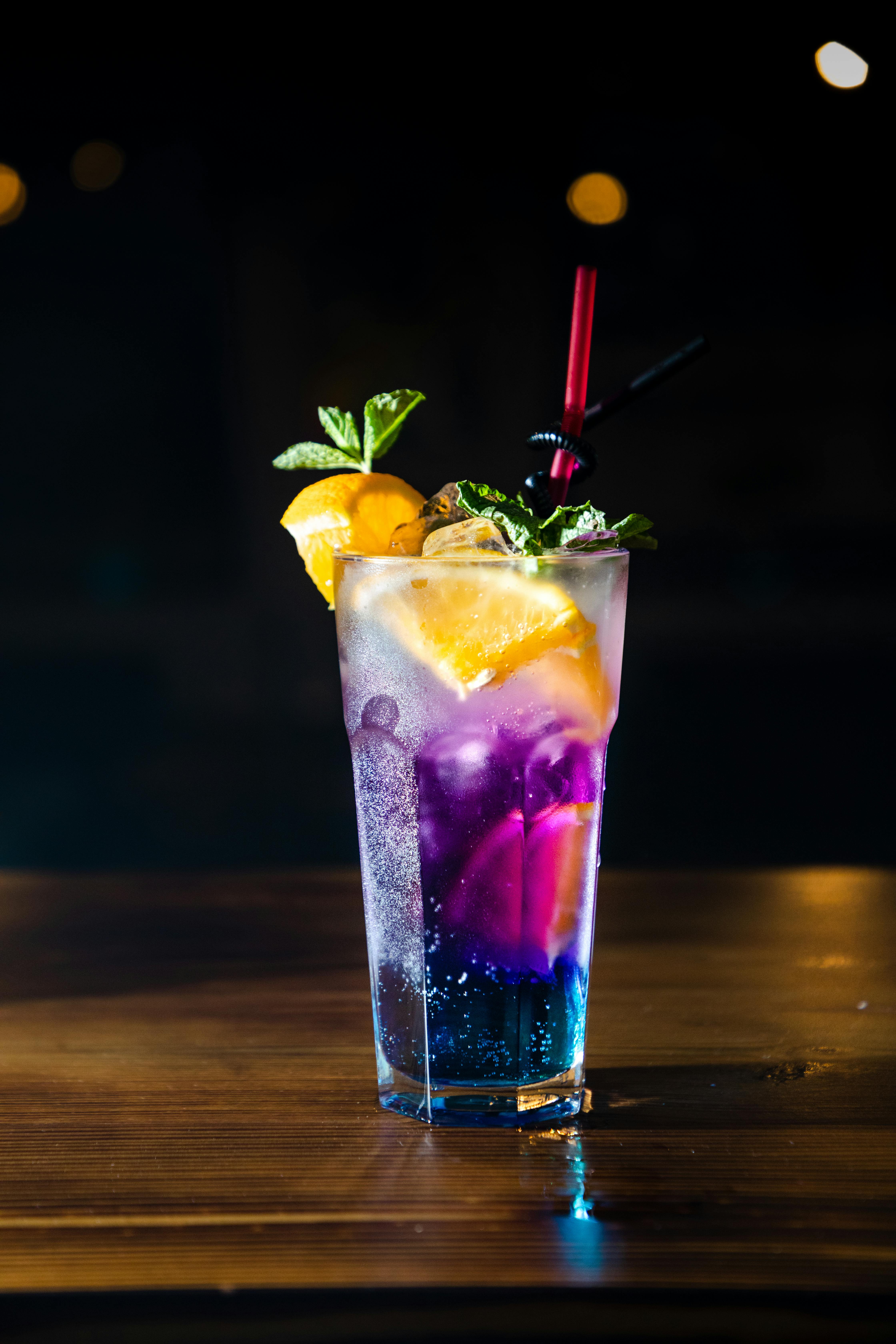
4. Hawthorne Strainer
Why You Need It: Separates ice and solid ingredients from your finished cocktail when pouring from a shaker or mixing glass. The spring-loaded design catches ice shards and fruit pieces while allowing liquid to flow smoothly.
What to Look For:
- Tight coil spring that fits snugly against the rim of your shaker
- Four prongs that provide stable placement on the shaker
- Comfortable handle with good grip
- Stainless steel construction
- Fits both standard mixing glasses and Boston shaker tins
Pro Tip: For extra-smooth cocktails, use the Hawthorne strainer in combination with a fine-mesh strainer (double-straining) to remove tiny ice chips and pulp.
Price Range: $8-20
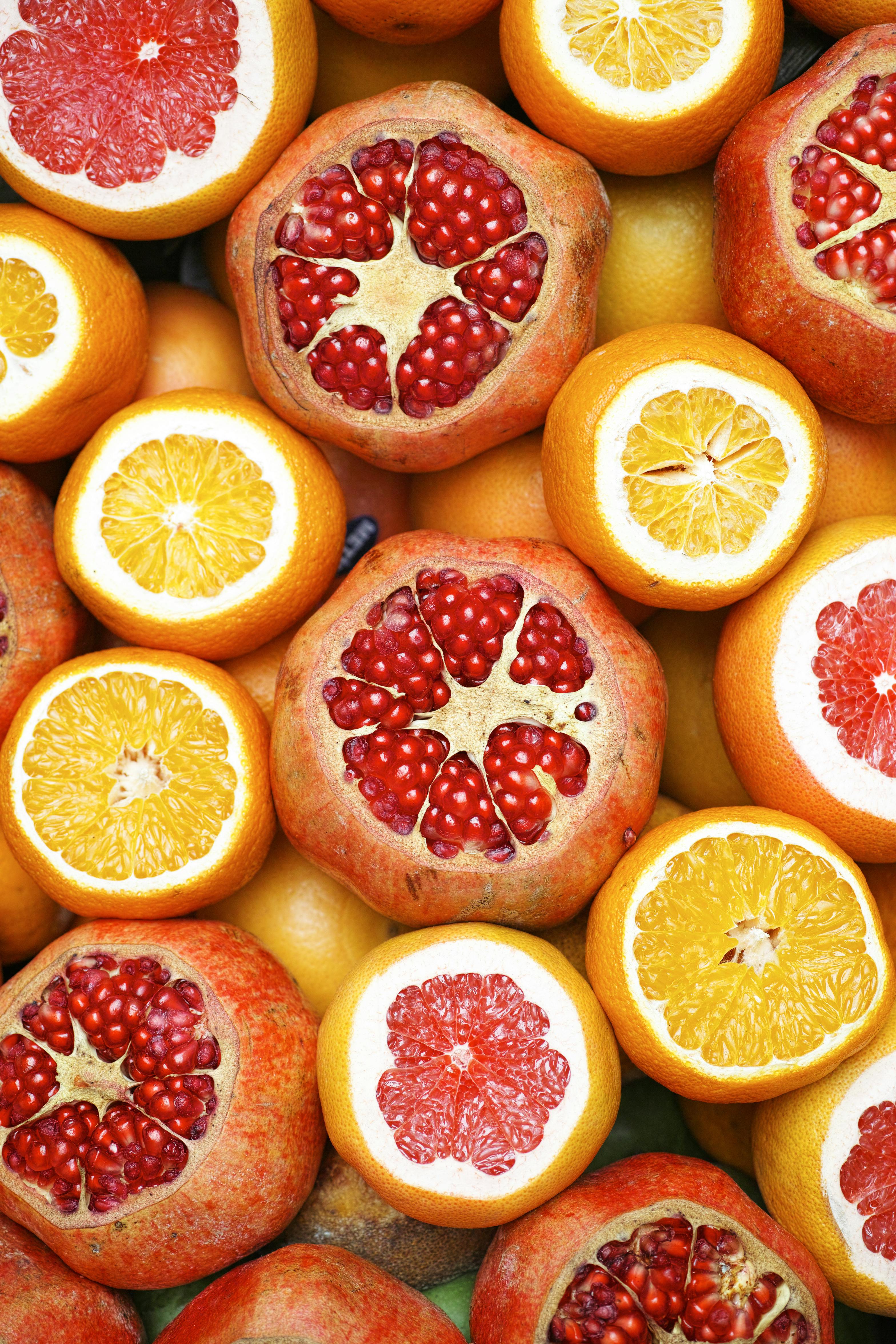
5. Citrus Juicer
Why You Need It: Fresh citrus juice is non-negotiable in quality cocktails. Bottled juice contains preservatives and lacks the vibrant flavor of fresh-squeezed juice. A single cocktail can be transformed by using juice squeezed minutes before mixing rather than hours or days ago.
Types of Juicers:
Handheld Press: Hinged design that squeezes citrus between two cups. Available in different sizes for lemons/limes or larger oranges/grapefruits. Most efficient for small quantities.
Manual Reamer: Simple cone-shaped tool that extracts juice through twisting pressure. Inexpensive but requires more effort and doesn't strain seeds well.
Electric Juicer: Worth the investment if you make cocktails frequently or entertain often. Extracts maximum juice with minimal effort, though cleanup takes longer.
What to Look For: For handheld presses, choose enameled aluminum or stainless steel (not plastic, which stains and cracks). Bowl should catch juice and strain seeds. Comfortable handle grip for repeated squeezing.
Price Range: $12-25 for manual, $30-80 for electric
6. Muddler
Why You Need It: Releases essential oils, juices, and flavors from fresh herbs, fruits, and spices directly into your cocktail. Essential for drinks like Mojitos, Old Fashioneds, and Caipirinhas.
What to Look For:
- Length of 8-10 inches to reach the bottom of tall glasses
- Flat, textured head for effective muddling (some have teeth for extra crushing power)
- Comfortable grip that won't slip when applying pressure
- Wood (unfinished hardwood like maple or beech) or stainless steel
- No varnish or finish that can chip into drinks
How to Use It: Place ingredients in the bottom of your glass or shaker. Press down firmly and twist slightly, repeating 8-10 times. For herbs like mint, gentle pressing releases oils without bitter chlorophyll. For fruit and sugar, more aggressive muddling breaks down solids.
Price Range: $8-20
7. Cutting Board and Sharp Knife
Why You Need It: Proper garnishes and fresh ingredients require precise cutting. A dedicated bar cutting board prevents cross-contamination with food prep and keeps your bar area organized.
What to Look For:
- Small to medium size (12x8 inches is ideal) that doesn't overwhelm your bar space
- Non-porous material (bamboo, plastic, or composite) that resists staining and odors
- Non-slip feet or rubber backing
- Sharp paring knife or small chef's knife (3-4 inch blade) for precise cuts
- Separate peeler for citrus zests
Price Range: $15-35 for board, $20-60 for quality knife
8. Ice Molds and Ice Bucket
Why You Need It: Ice is an ingredient, not just a coolant. Different ice shapes and sizes affect dilution rates, temperature, and presentation. An ice bucket keeps cubes from melting during drink preparation.
Types of Ice You Need:
Standard Cubes: For shaking and most cocktails
Large Cubes (2-inch): For spirit-forward drinks like Old Fashioneds, where slow melting is desired
Crushed Ice: For juleps, tiki drinks, and swizzles
What to Look For in an Ice Bucket:
- Insulated walls (double-walled stainless steel is best)
- Lid to prevent melting
- 3-quart capacity minimum
- Includes scoop or tongs (never use your hands to handle ice)
- Drainage holes or strainer to remove melt water
Price Range: $10-30 for molds, $20-50 for quality ice bucket
Intermediate Equipment for the Developing Home Bartender
Once you've mastered the basics and find yourself making cocktails regularly, these intermediate tools will expand your capabilities and improve consistency.

9. Fine Mesh Strainer
Why You Need It: Also called a tea strainer or fine strainer, this creates silky-smooth cocktails by catching tiny ice chips, fruit pulp, and herb particles that pass through a Hawthorne strainer. The "double-strain" technique is standard in craft cocktail bars.
When to Use It: Any shaken cocktail with fresh citrus juice, muddled ingredients, or when you want crystal-clear presentation. Essential for drinks like Daiquiris, Margaritas, and Aviation cocktails.
What to Look For:
- Conical or bowl shape with very fine mesh (at least 200 microns)
- Stainless steel construction
- Comfortable handle
- 3-4 inch diameter fits over most cocktail glasses
Price Range: $8-18
10. Mixing Glass
Why You Need It: While you can stir drinks in the metal half of a Boston shaker, a proper mixing glass offers better temperature control, elegant presentation, and allows you to watch the ice and liquid as you stir. The weight and clarity enhance the ritual of cocktail making.
What to Look For:
- Heavy, thick glass with weighted base for stability
- Capacity of 16-24 ounces (large enough for two cocktails)
- Wide mouth for easy ice and ingredient addition
- Smooth interior for effortless stirring
- Spout for controlled, drip-free pouring
- Some feature Japanese Yarai pattern (decorative diamond cuts) or European cut crystal designs
Price Range: $20-60 for quality glass, $100+ for Japanese cut glass
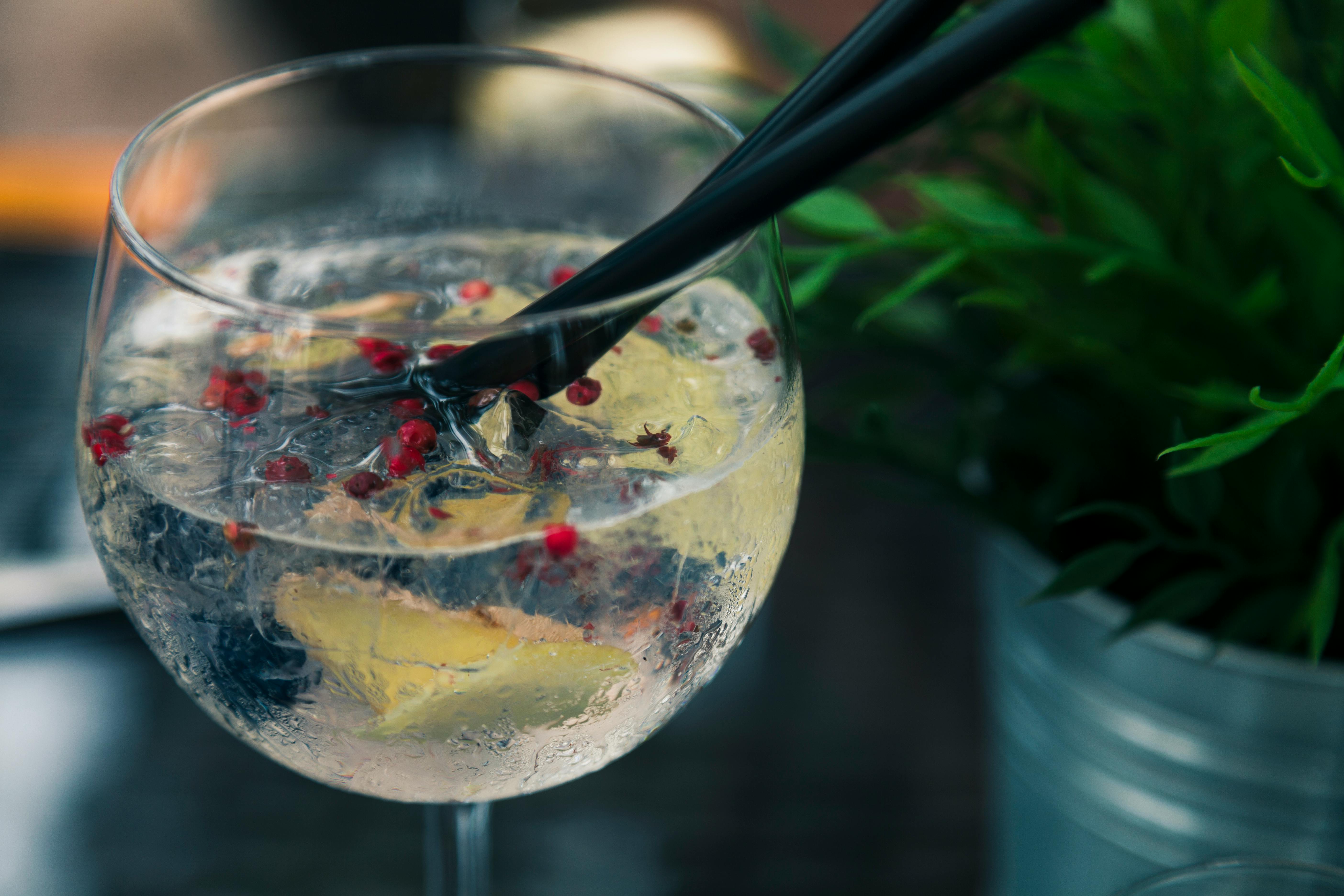
11. Julep Strainer
Why You Need It: Specifically designed for straining stirred cocktails from a mixing glass. The perforated bowl fits snugly inside mixing glasses, making it easier to control pour speed and prevent ice from following liquid.
What to Look For:
- Curved shape that conforms to mixing glass interior
- Perforated pattern (not mesh) that won't clog
- Comfortable handle
- Stainless steel or silver-plated construction
When to Use It: Any stirred cocktail served "up" (without ice) - Martinis, Manhattans, Negronis, and other spirit-forward cocktails.
Price Range: $10-25
12. Channel Knife and Zester
Why You Need It: Creates professional garnishes that add both visual appeal and aromatic oils to cocktails. A channel knife cuts long, thin citrus spirals (twists), while a zester creates fine shavings for aromatic dusting.
What to Look For:
- Sharp, stainless steel blade that glides easily through citrus skin
- Comfortable grip for controlled cuts
- Channel knife with adjustable depth to avoid bitter pith
- Microplane-style zester for finest results
How to Use It: For twists, hold citrus fruit firmly and draw the channel knife from top to bottom in one smooth motion. Wrap the resulting ribbon around a straw or spoon handle to create decorative spirals. For zesting, gently graze the tool across the peel, avoiding white pith.
Price Range: $8-20
13. Lewis Bag and Mallet
Why You Need It: The classic method for crushing ice for juleps, tiki drinks, and other cocktails requiring crushed ice. A canvas bag absorbs water while the mallet crushes ice to your desired consistency—from coarse to snow-fine.
What to Look For:
- Heavy canvas bag with double-stitched seams
- Wooden mallet with comfortable grip and weighted head
- Bag size of 12x18 inches (holds enough ice for multiple drinks)
How to Use It: Fill the bag with ice cubes, fold the top closed, and strike with the mallet. Start gently to break cubes, then increase force for finer crush. The canvas absorbs melt water, producing drier crushed ice than a blender.
Alternative: If you make crushed ice frequently, a dedicated ice crusher (manual crank or electric) is faster, though less romantic and more expensive.
Price Range: $20-40 for bag and mallet set
14. Atomizer or Spray Bottle
Why You Need It: Applies aromatic spirits (absinthe, vermouth, bitters) in a fine mist rather than measured pours, adding fragrance without overwhelming flavor. Creates a dramatic aromatic layer that hits your nose before each sip.
Classic Uses:
- Absinthe rinse for Sazeracs
- Vermouth mist for extra-dry Martinis
- Bitters spray for aromatic finish on sours
- Perfuming cocktails with essential oils or floral waters
What to Look For:
- Glass bottle (alcohol can degrade plastic)
- Fine mist spray mechanism (not stream)
- 2-4 ounce capacity
- Leakproof cap for storage
Price Range: $8-20
15. Cocktail Picks and Garnish Tools
Why You Need It: Professional presentation requires proper garnish implements. Cocktail picks hold olives, cherries, and fruit wheels securely, while specialized tools create elaborate garnishes.
Essential Garnish Tools:
- Stainless steel cocktail picks (reusable, more elegant than plastic)
- Bamboo skewers for larger garnishes
- Orange/lemon peeler with channel knife
- Cherry pitter (if using fresh cherries)
- Cocktail sword picks for retro tiki drinks
What to Look For: Stainless steel picks with decorative heads or simple spear design. Varied lengths for different glass sizes. Store in a clean, dry container to prevent tarnishing.
Price Range: $10-25 for a set
Advanced Equipment for Serious Enthusiasts and Professionals
These professional-grade tools represent the pinnacle of mixology equipment. They're investments in your craft that provide precision, efficiency, and capabilities beyond standard home bar equipment.
16. Japanese Bar Tools Set
Why You Need It: Japanese bartending tools represent the highest level of craftsmanship in the industry. Hand-balanced for perfect weight distribution, these tools make every movement more graceful and precise.
Typical Set Includes:
- Weighted mixing glass with Yarai diamond pattern
- Perfectly balanced bar spoon (usually 40-50cm)
- Professional Hawthorne strainer with tighter coil
- Precision jigger with interior markings
- Sometimes includes julep strainer and muddler
What Makes Them Special:
- Precise weight balance allows tools to spin effortlessly
- Superior materials and construction for decades of use
- Aesthetic beauty that elevates the cocktail-making ritual
- Ergonomic design reduces hand fatigue
Brands to Consider: Cocktail Kingdom, Yukiwa, Koriko, Umami Mart
Price Range: $100-300 for complete sets, individual pieces $30-80
17. Smoking Gun and Cloche
Why You Need It: Adds smoky flavors and dramatic presentation to cocktails. Cold smoke infusion preserves the drink's temperature while adding layers of flavor from woods, herbs, or tea.
How It Works: A handheld device burns wood chips, herbs, or spices, then channels the smoke through a tube into a glass or cloche. The smoke infuses the drink or glass with aromatic compounds.
Popular Applications:
- Smoked Old Fashioneds (applewood or cherry wood)
- Mezcal cocktails enhanced with additional smoke
- Smoked Manhattans
- Presentation drama under glass cloches
What to Look For:
- Variable speed control for smoke intensity
- Chamber large enough for different smoking materials
- Long flexible tube for directing smoke
- Cool-touch design
- Glass cloche or bell jar for capturing smoke
Woods and Materials to Try:
- Applewood: sweet, fruity smoke
- Hickory: strong, bacon-like
- Cherry: mild, slightly sweet
- Mesquite: intense, earthy
- Rosemary or thyme: herbal aromatics
- Lapsang Souchong tea: complex, tea-like smoke
Price Range: $50-120 for smoking gun, $20-60 for cloches
18. Centrifuge (Molecular Mixology)
Why You Need It: For cutting-edge molecular mixology, a centrifuge clarifies juices, creates unusual textures, and extracts flavors impossible through traditional methods. It separates liquids by density, producing crystal-clear juices that retain full flavor.
What It Does:
- Clarifies citrus juices while preserving flavor (unlike traditional filtration)
- Separates fat from cream to create clear "milk punch"
- Extracts essences from herbs and spices
- Creates flavored oils and tinctures rapidly
Examples:
- Perfectly clear lime juice for pristine Daiquiris
- Transparent milk punch with full dairy flavor
- Rapid infusions that normally take days
Considerations: This is professional/experimental territory. Most home bartenders will never need a centrifuge, but it opens doors to techniques impossible otherwise.
Price Range: $500-3000+ (laboratory-grade equipment)
19. Rotary Evaporator (Rotovap)
Why You Need It: The ultimate tool for avant-garde mixology. A rotovap distills ingredients under vacuum at low temperatures, preserving delicate flavors and aromas that high-heat distillation would destroy.
What It Does:
- Creates unique distillates from fresh ingredients
- Captures volatile aromatics that cooking would lose
- Makes bitters, tinctures, and infusions with unprecedented clarity
- Extracts essences from herbs, fruits, and vegetables
Examples:
- Fresh tomato water with no cooked flavor
- Rose petal distillate with pure floral aroma
- Herb essences for molecular cocktails
- Concentrated flavor compounds
Considerations: This is professional equipment used in cutting-edge cocktail bars and research kitchens. Requires understanding of vacuum distillation and pressure control. Not practical for home use unless you're extremely serious about molecular mixology.
Price Range: $2,000-10,000+ (requires additional infrastructure and knowledge)
20. Sous Vide Precision Cooker
Why You Need It: While known for cooking, sous vide excels at controlled-temperature infusions, rapid flavor extraction, and creating crystal-clear syrups and cordials. Precise temperature control unlocks flavors impossible through traditional methods.
Mixology Applications:
- Rapid infusions (hours instead of weeks): bourbon with bacon, vodka with jalapeño
- Perfect simple syrups with enhanced flavor extraction
- Clarified syrups using controlled temperature
- Fat-washing spirits with precise temperature control
- Creating unique bitters and tinctures
Examples:
- Butter-washed bourbon: Combine bourbon and melted butter at 130°F for 4 hours, freeze to separate fat, strain for rich, creamy bourbon
- Jalapeño-infused tequila: Tequila with fresh jalapeño at 135°F for 1 hour produces consistent heat
- Vanilla syrup: Water, sugar, and vanilla beans at 135°F for 4 hours extracts maximum vanilla flavor
What to Look For:
- Temperature control accurate to ±0.5°F
- Digital display and timer
- Clamp attachment for various containers
- Water circulation to maintain even temperature
Price Range: $80-200
21. Professional Ice Maker
Why You Need It: Crystal-clear, perfectly formed ice that doesn't cloud drinks or add off-flavors. Professional bartenders understand that ice quality directly impacts cocktail quality.
Types:
Home Clear Ice System: Directional freezing system that produces clear ice blocks you can cut to size. Works in standard freezers.
Countertop Ice Maker: Produces fresh ice on demand, though typically not as clear as directional freezing methods.
Commercial Clear Ice Machine: Creates perfectly clear cubes, spheres, or other shapes through professional filtration and controlled freezing.
Why Clear Ice Matters:
- Melts slower than cloudy ice (fewer air pockets)
- No off-flavors from minerals or impurities
- Professional appearance
- Better temperature control
DIY Method: Use insulated coolers with boiled or distilled water, remove after 24 hours when top 2/3 is frozen, carve into desired shapes.
Price Range: $30-100 for DIY systems, $200-500 for countertop makers, $2,000+ for commercial
22. Carbonation System
Why You Need It: Creates custom carbonated cocktails, sodas, and mixers at home. Control carbonation levels precisely and experiment with carbonating unusual liquids.
Types:
Commercial Soda Maker (SodaStream type): Simple, affordable, carbonate water quickly, though limited to water only for most models.
Professional CO2 System: With regulator and kegs, carbonate any liquid to precise volumes. Used in craft cocktail bars for custom sparkling cocktails.
What You Can Do:
- Custom tonic water and ginger beer
- Carbonated fruit juices for unique cocktails
- Sparkling tea or coffee for innovative drinks
- Pre-batched carbonated cocktails served on tap
Price Range: $80-150 for consumer models, $300-800 for professional systems
23. Vacuum Sealer for Rapid Infusion
Why You Need It: Uses pressure differential to force flavors deep into spirits in minutes instead of days or weeks. The vacuum pulls air from ingredient cells while pulling liquid in, creating intense infusions rapidly.
How It Works:
- Combine spirit and flavoring ingredients in vacuum bag
- Seal and vacuum to maximum pressure
- Let sit for 5-30 minutes depending on ingredients
- Release vacuum (flavors are pulled into liquid as pressure normalizes)
- Strain and use immediately
Examples:
- Cucumber-infused gin in 20 minutes
- Chili-infused tequila in 15 minutes
- Herb and spice infusions in under 30 minutes
Price Range: $80-300 for quality vacuum sealer plus bags
24. pH Meter and Refractometer
Why You Need It: For scientific precision in cocktail development. These tools allow you to balance acidity and sweetness objectively rather than relying on taste alone.
pH Meter: Measures acidity on a scale from 0-14. Most cocktails fall between 3.0-5.0 pH. Allows precise acid balancing for consistent results regardless of citrus fruit variation.
Refractometer: Measures sugar content (Brix) in liquids. Ensures syrups have consistent sweetness and helps balance cocktails mathematically.
Applications:
- Recipe development with reproducible results
- Adjusting for variable citrus acidity
- Creating balanced syrups every time
- Understanding how dilution affects balance
Price Range: $30-100 for pH meter, $20-80 for refractometer

25. Specialty Ice Molds and Tools
Why You Need It: Ice is an ingredient that affects flavor, dilution, temperature, and presentation. Advanced ice work elevates cocktails from good to extraordinary.
Types:
Sphere Ice Molds: Create 2-2.5 inch ice spheres that melt exceptionally slowly. Perfect for whiskey, Old Fashioneds, and spirit-forward cocktails. The minimal surface area-to-volume ratio means slower melting.
Large Block Ice Molds: Produce 2-3 inch cubes for slow dilution in rocks drinks. Hand-carving these blocks creates bespoke ice shapes.
Directional Freezing System: Uses insulation to freeze ice from one direction only, pushing air bubbles and impurities to the bottom. Results in crystal-clear ice.
Ice Carving Tools: Chisels, saws, and picks for sculpting custom ice shapes and removing excess.
Ice Stamp: Brands your ice with logos or designs using heated metal stamps.
Price Range: $15-40 for molds, $50-150 for directional systems, $30-100 for carving tools
Organization and Storage Solutions

Bar Cart or Station
Proper organization improves workflow and protects your investment in quality tools.
What to Look For:
- Multiple levels for organizing tools, spirits, and mixers
- Wheels for mobility (if cart) or stable placement (if station)
- Wood, metal, or combination construction
- Space for bottle storage and tool hanging
- Easy-to-clean surfaces resistant to spills
Organization Tips:
- Keep most-used tools at arm's reach
- Group tools by function (shaking tools together, stirring tools together)
- Store garnishing tools separately from mixing tools
- Keep a dedicated space for fresh ingredients and garnishes
Price Range: $100-500 for quality bar carts
Tool Roll or Storage Case
Why You Need It: Protects tools, keeps them organized, and makes them portable for events or travel.
What to Look For:
- Individual pockets or compartments for each tool
- Durable canvas or leather construction
- Roll-up or case design for compact storage
- Water-resistant lining
- Adequate padding to prevent damage
Price Range: $30-100
Buying Guide: Making Smart Investments
What to Buy First
Immediate Essentials (Start Here):
- Boston shaker (tin and glass)
- Hawthorne strainer
- Jigger
- Bar spoon
- Citrus juicer
- Basic knife and cutting board
Total Investment: $80-150
This basic kit allows you to make most classic cocktails. Master these tools before expanding.
What to Buy Next
Level 2 Additions: 7. Fine mesh strainer 8. Mixing glass 9. Muddler 10. Channel knife/zester 11. Quality ice molds 12. Ice bucket
Additional Investment: $100-200
Advanced Additions
Once you're making cocktails regularly and want to expand your capabilities:
- Japanese bar tools
- Smoking gun
- Sous vide for infusions
- Professional ice equipment
- Specialty glassware
Where to Buy
Online Retailers:
- Cocktail Kingdom: Premium Japanese and professional tools
- BarProducts.com: Wide selection, reasonable prices
- Amazon: Good for beginners, compare reviews carefully
- Williams Sonoma: Quality tools with retail support
Specialty Bar Supply:
- Check local restaurant supply stores for commercial equipment
- Professional bartender supply companies for bulk orders
Quality vs. Budget
When to Invest in Quality:
- Core tools you'll use daily (shaker, jigger, strainer, bar spoon)
- Items where precision matters (jiggers, mixing glasses)
- Tools affecting drink quality directly (juicers, ice molds)
Where to Save:
- Specialized tools you'll rarely use
- Items easily replaced (cocktail picks, stirrers)
- Decorative elements vs. functional tools
Care and Maintenance

Cleaning Your Tools
Immediate After Use:
- Rinse tools with hot water immediately after use
- Citrus oils and sugar can corrode metal if left overnight
- Never put wooden tools in dishwasher
- Hand-wash everything with mild soap
Stainless Steel Tools:
- Wash with warm soapy water
- Dry immediately to prevent water spots
- Polish occasionally with stainless steel cleaner
- Remove tarnish with bar keeper's friend
Mixing Glasses:
- Hand-wash delicate glasses; dishwasher for sturdy ones
- Avoid temperature shock (don't pour hot water into frozen glass)
- Dry with lint-free cloth to prevent spots
- Store upright to prevent rim damage
Wooden Tools:
- Wash quickly with warm water, never soak
- Dry immediately and thoroughly
- Oil occasionally with food-grade mineral oil
- Sand and re-oil if they become rough
Longevity Tips
- Store tools properly (hanging or in dedicated drawers)
- Keep sharp edges protected (knife guards, separated storage)
- Polish stainless steel regularly
- Replace worn strainer springs
- Sharpen knives professionally 1-2 times per year
Building Your Perfect Bar Setup

Beginner Timeline
Month 1: Purchase essential 6-piece kit, practice basic shaken and stirred cocktails
Month 2-3: Add intermediate tools as you identify needs through practice
Month 4-6: Invest in quality versions of most-used tools
Year 2+: Begin collecting specialized and advanced equipment
Space Considerations
Small Space Setup: Focus on multi-function tools, vertical storage, and portable organization. A bar cart provides workspace and storage without permanent installation.
Dedicated Bar Area: Install shelving, proper lighting, and permanent storage. Invest in larger equipment like professional ice makers and carbonation systems.
Budget Planning
Starter Budget ($100-150): Basic essentials only, focus on core techniques
Intermediate Budget ($300-500): Full range of standard tools plus a few specialty items
Enthusiast Budget ($1,000+): Professional-grade tools, specialty equipment, redundant tools for efficiency
Professional Budget ($2,000+): Top-tier Japanese tools, molecular mixology equipment, commercial systems
Conclusion
Building a mixology toolkit is a journey that grows with your skills and interests. Start with quality basics that will serve you for years, then expand thoughtfully as you discover what cocktails and techniques you're most passionate about.
Remember that the most expensive tools don't make the best cocktails—practice and technique do. A skilled bartender with basic tools will create better drinks than a beginner with professional equipment. Use this guide to make informed decisions about where to invest, but never let lack of equipment stop you from learning and experimenting.
The joy of mixology comes from the craft itself: the sound of ice in a shaker, the smooth spin of a bar spoon, the precise pour from a jigger, and ultimately, the perfectly balanced cocktail you created. Quality tools enhance that experience and make it more enjoyable, but your hands, your creativity, and your dedication to the craft are the most important equipment you'll ever own.
Start simple, buy quality where it matters, care for your tools properly, and build your collection over time. Before long, you'll have a personalized toolkit that reflects your style and helps you create exceptional cocktails consistently.
Here's to building the perfect home bar, one tool at a time. Cheers!